


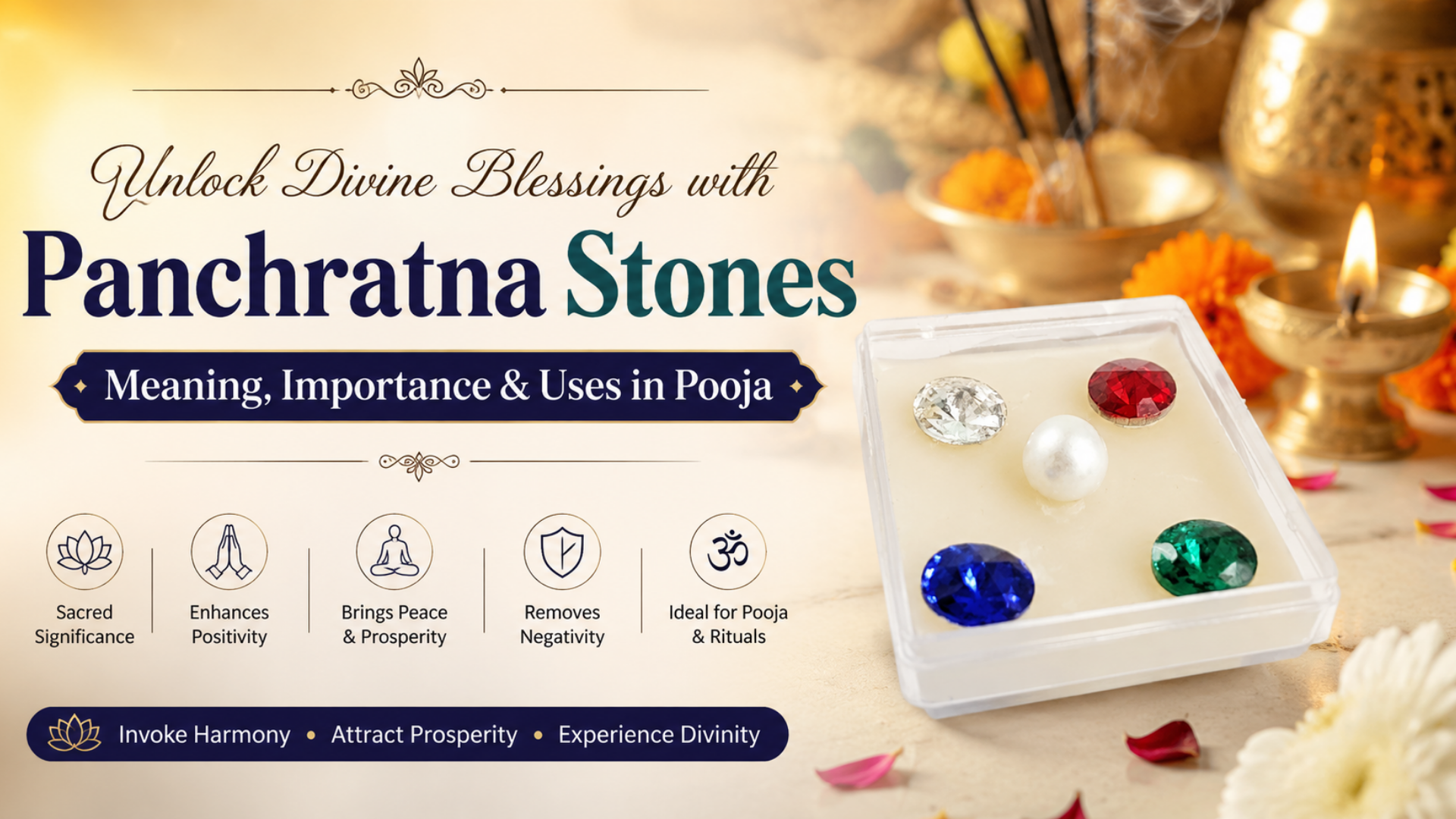
 Indian pooja traditions include a wide variety of sacred items, each used according to particular customs, family practices, and regional traditions. Among these traditional pooja materials, Panchratna Stones are often included in religious rituals and ceremonial preparations.
The word Panchratna traditionally refers to a group or collection associated with five precious gems or stones. In religious and cultural practices, such stones may be used as part of pooja samagri, ceremonial arrangements, or traditional rituals. Their exact significance and method of use can vary depending on regional customs, family traditions, and the type of pooja being performed.
For many households, keeping traditional pooja items ready helps make religious ceremonies more organized. A Panchratna stone set can be included among other devotional materials for special occasions, home rituals, and ceremonial worship.
If you are looking for a traditional Panchratna stone set for pooja, explore the product here:
You can also read our related guide on using traditional fragrance accessories in worship:
https://90degreestore.com/blog/attar-dani-for-pooja:-how-to-use-an-attar-holder-in-daily-worship
What Are Panchratna Stones?
Understanding the Traditional Meaning of Panchratna
The term Panchratna Stones is derived from two Sanskrit-based words:
- Panch means five.
- Ratna refers to gems or precious stones.
Together, the term traditionally refers to a collection associated with five gems or stones.
The exact stones included in a Panchratna set may vary depending on the seller, tradition, region, or intended ritual use. Because religious customs differ across India, it is always helpful to follow the guidance of your family tradition or priest regarding the appropriate use of Panchratna items during a particular ceremony.
Panchratna sets are commonly kept as part of broader pooja samagri collections.
Traditional Importance of Panchratna Stones in Pooja
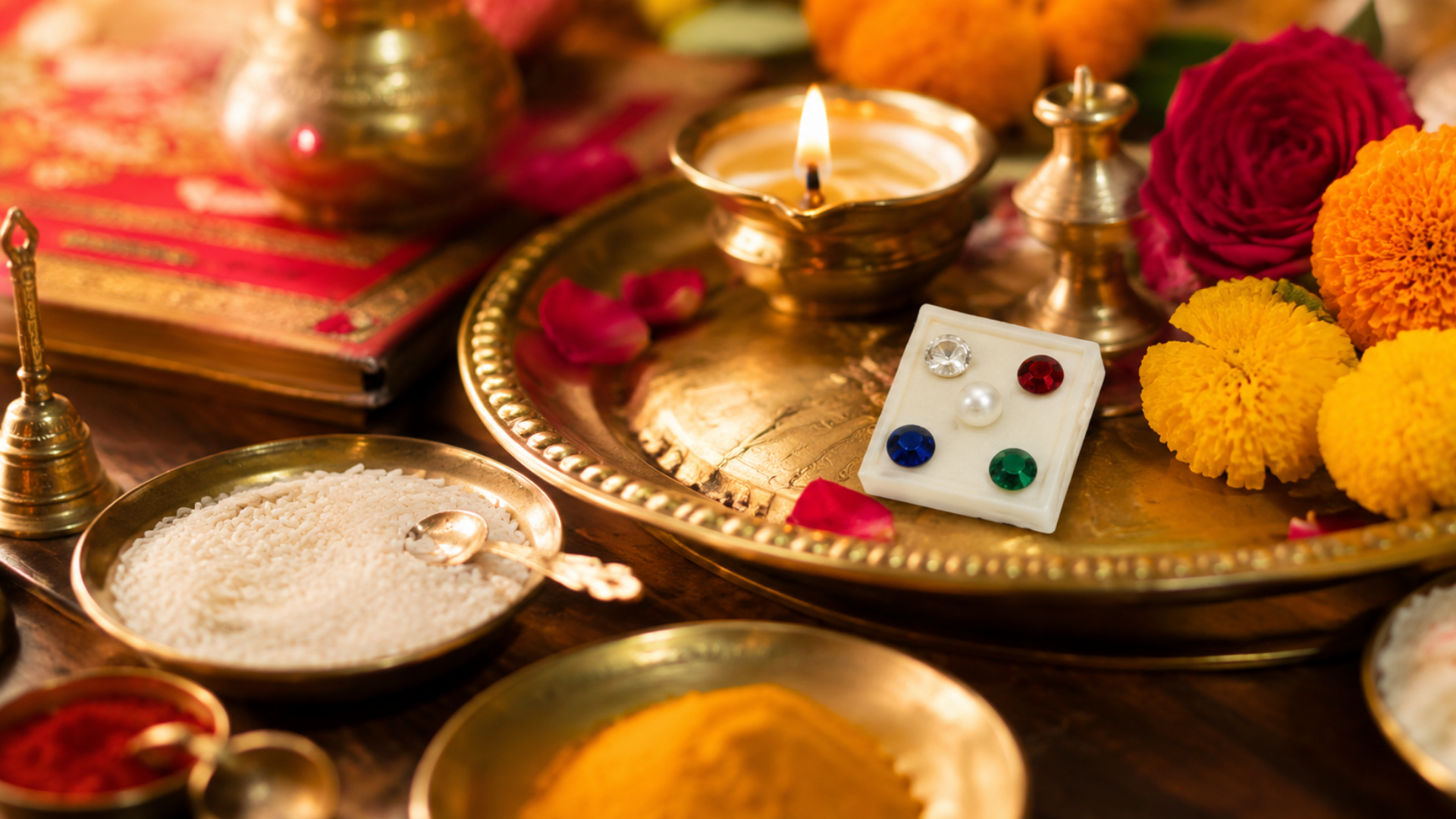
A Part of Traditional Ritual Preparations
In many religious traditions, different natural materials, metals, flowers, grains, and stones are used symbolically during worship.
Panchratna Stones may be included in selected pooja and ceremonial practices according to traditional customs.
Their importance is often connected with:
- Traditional ritual arrangements
- Ceremonial worship
- Religious customs
- Sacred offerings
- Housewarming rituals
- Temple-related ceremonies
- Special family poojas
The meaning and role of these items should be understood within the context of the particular ritual being performed.
Why Are Panchratna Stones Used in Pooja?
Supporting Traditional Pooja Practices
Different pooja ceremonies require different materials. Panchratna sets may be included as part of traditional preparations when prescribed by family customs or religious practices.
They can be used as part of an organized collection of pooja samagri for special rituals.
People may keep such items ready for occasions including:
- Griha Pravesh
- Bhoomi Pujan
- Main door rituals
- Special home pooja
- Festival ceremonies
- Religious functions
- Traditional rituals
The specific placement and use of the stones can differ according to the ceremony.
Common Uses of Panchratna Stones
Use in Home Pooja
Some families include Panchratna Stones in special home pooja arrangements based on their traditional practices.
They may be kept alongside other pooja essentials such as flowers, incense, diyas, and sacred containers.
Use in Griha Pravesh Ceremonies
Griha Pravesh is an important traditional ceremony performed when entering a new home.
Depending on regional and family customs, different pooja materials may be arranged for the ritual. Panchratna stones can be included where they are part of the prescribed pooja samagri.
Use in Main Door Rituals
Traditional ceremonies involving the main entrance of a home may include specific ritual materials.
A Panchratna stone set may be used where recommended according to the particular custom being followed.
Use During Special Religious Ceremonies
Panchratna items may also be included in selected religious ceremonies or special family rituals.
Since the requirements of every ceremony can differ, it is best to prepare pooja materials according to the instructions followed in your household or from a knowledgeable priest.
Panchratna Stones and Navratna Stones
Understanding the Difference
The terms Panchratna and Navratna both refer to traditional collections of stones or gems, but they are associated with different numbers.
- Panchratna traditionally refers to five gems or stones.
- Navratna traditionally refers to nine gems or stones.
Although some products may mention both terms in their names or descriptions, the exact composition of a particular set should always be checked before use.
If you are purchasing stones for a specific religious ceremony, confirm that the product is suitable for your intended ritual.
How to Use Panchratna Stones in Pooja
Follow Your Family or Regional Tradition
There is no single method that applies to every pooja.
The use of Panchratna Stones can depend on:
- The type of ceremony
- Regional traditions
- Family customs
- Religious guidance
- The specific purpose of the ritual
For regular home worship, some families may keep traditional pooja items in a dedicated container or on the pooja shelf.
For special ceremonies, the stones may be placed or used according to the instructions provided for that ritual.
Keep the Pooja Area Clean
Before beginning worship, arrange the pooja area neatly and clean the items that will be used.
Prepare Other Required Pooja Samagri
Depending on the ceremony, you may also need:
- Flowers
- Diya
- Incense
- Kumkum
- Akshat or rice
- Kalash
- Pooja thali
- Other prescribed items
Prepare only the materials required for the specific ritual.
Follow the Prescribed Ritual
If the ceremony has specific instructions for using Panchratna stones, follow the guidance of your family tradition or priest.
This ensures that the items are used appropriately for the intended occasion.
How to Store Panchratna Stones
Keep Them Safe and Organized
Proper storage helps keep your Panchratna Stones organized with the rest of your pooja samagri.
Consider the following tips:
- Keep them in a clean, dry container.
- Store them away from moisture.
- Keep them with other dedicated pooja items.
- Avoid mixing them with unrelated household objects.
- Handle them carefully.
- Clean them only using methods suitable for the material.
If the stones have a decorative or polished finish, avoid harsh cleaning products that may affect their appearance.
Choosing Panchratna Stones for Pooja
Consider Your Ritual Requirements
Before purchasing a Panchratna set, think about the purpose for which you need it.
Type of Pooja
Different ceremonies may require different pooja materials. Check what is needed for your particular ritual.
Set Composition
Review the product details to understand what the set contains.
Size
Choose a size that is practical for your intended use and storage.
Packaging
A properly packed set can help keep the stones together and organized until they are needed.
Family Tradition
If your family follows specific customs, select pooja materials that align with those practices.
Panchratna Stones as Part of Complete Pooja Samagri
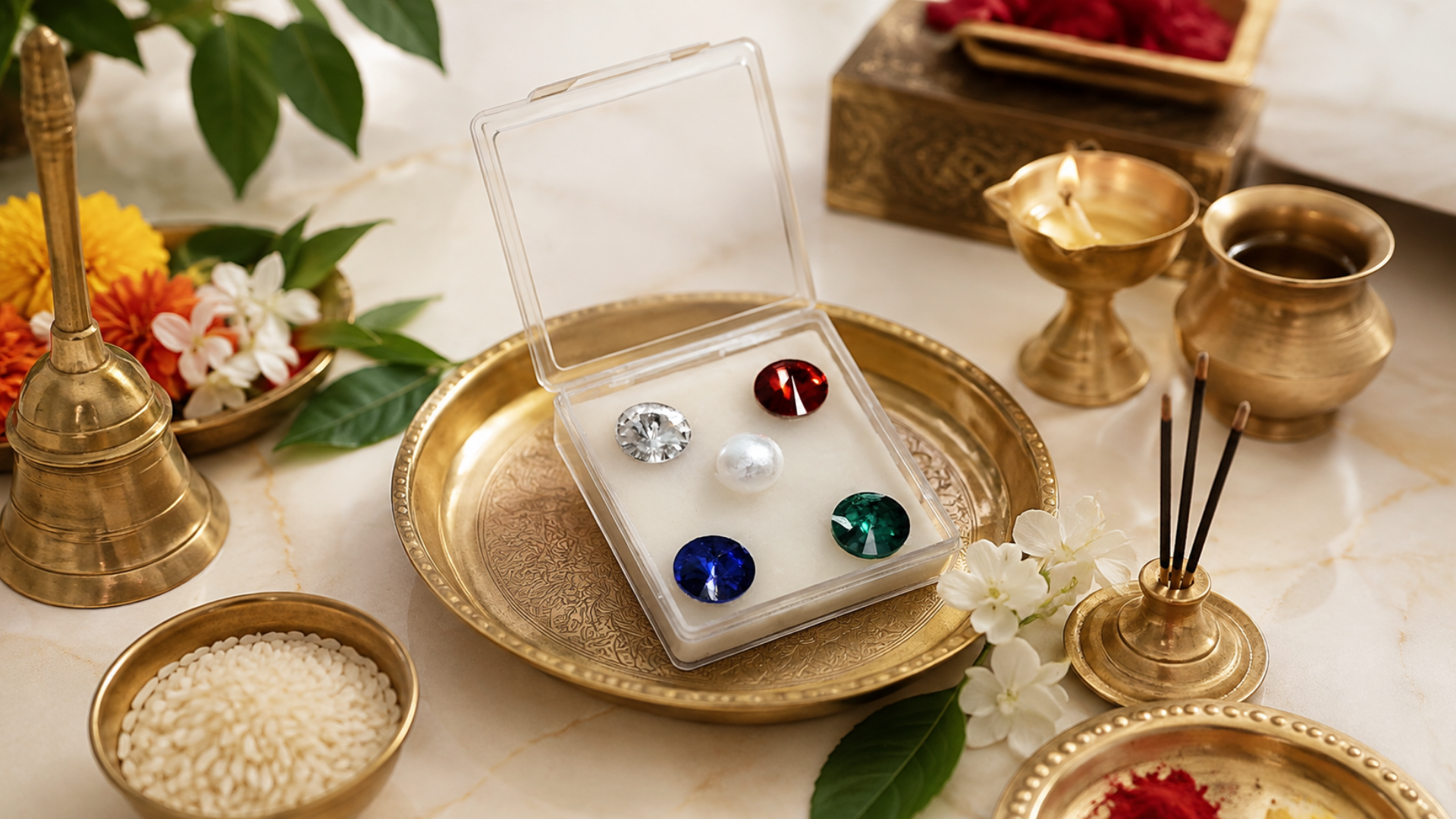
Build an Organized Collection of Pooja Essentials
Keeping essential pooja items together can make special ceremonies easier to prepare for.
Depending on your traditions, a pooja collection may include:
- Diyas
- Incense holders
- Attar holders
- Pooja thalis
- Bells
- Kumkum containers
- Flowers
- Sacred threads
- Kalash
- Panchratna Stones
- Other ritual-specific materials
An organized collection saves time when preparing for festivals and family ceremonies.
When Can Panchratna Stones Be Used?
Suitable for Different Traditional Occasions
The use of Panchratna Stones may vary according to custom. They may be included in selected traditional ceremonies such as:
- Housewarming ceremonies
- New home rituals
- Main entrance pooja
- Festival pooja
- Family religious functions
- Special traditional ceremonies
Always follow the specific requirements of the ritual you are performing.
Important Things to Remember About Panchratna Stones
Respect Traditional Differences
Religious practices can vary widely between regions and families.
A method followed in one household may be different from another.
When using Panchratna Stones for a specific ceremony:
- Follow your family customs.
- Consult a knowledgeable priest when necessary.
- Check the product composition.
- Use the stones according to the requirements of the ritual.
- Store them respectfully with other pooja materials.
Understanding the context of the ceremony helps ensure that traditional items are used appropriately.
Why Keep Panchratna Stones in Your Pooja Collection?
A set of Panchratna Stones can be a useful addition to a collection of traditional pooja samagri, particularly for households that perform special rituals and ceremonies.
Having commonly required devotional items organized in advance can make preparation easier for important occasions.
Whether you need them for a Griha Pravesh ceremony, a main door ritual, a special home pooja, or another traditional occasion, it is helpful to check the requirements of the ceremony beforehand.
Explore the Panchratna Navratna Stones Set for Pooja Samagri here:
For another useful guide about traditional pooja accessories, read:
https://90degreestore.com/blog/attar-dani-for-pooja:-how-to-use-an-attar-holder-in-daily-worship
Frequently Asked Questions
1. What are Panchratna Stones?
Panchratna Stones traditionally refer to a collection associated with five gems or stones. The exact composition of a set can vary depending on the product and tradition.
2. What are Panchratna Stones used for?
They may be used as part of pooja samagri in selected religious ceremonies, home rituals, housewarming ceremonies, and other traditional practices according to family or regional customs.
3. Are Panchratna and Navratna Stones the same?
No. Panchratna traditionally refers to five gems or stones, while Navratna traditionally refers to nine. The composition and use of each set may vary.
4. Can Panchratna Stones be used for Griha Pravesh?
They may be included in Griha Pravesh pooja materials if they are part of the ritual requirements followed by your family or priest.
5. How should Panchratna Stones be stored?
Keep them in a clean, dry container with your other pooja materials and protect them from excessive moisture or damage.
6. Can Panchratna Stones be kept in a home temple?
Depending on family and regional traditions, they may be kept with other dedicated pooja items. Follow the practices observed in your household.
7. Where can I buy Panchratna Stones for pooja online?
You can explore the Panchratna Navratna Stones Set for Pooja Samagri from 90 Degree Store for traditional pooja and ceremonial requirements.